
Nurturing Focus in a Distracted World.
Welcome to the ninth instalment of our “Growing Minds” blog series at Kids Channel Montessori! Today, we’re exploring how concentration develops in young children and why it forms the foundation for all meaningful learning.
The Moment of Perfect Focus I'll Never Forget.
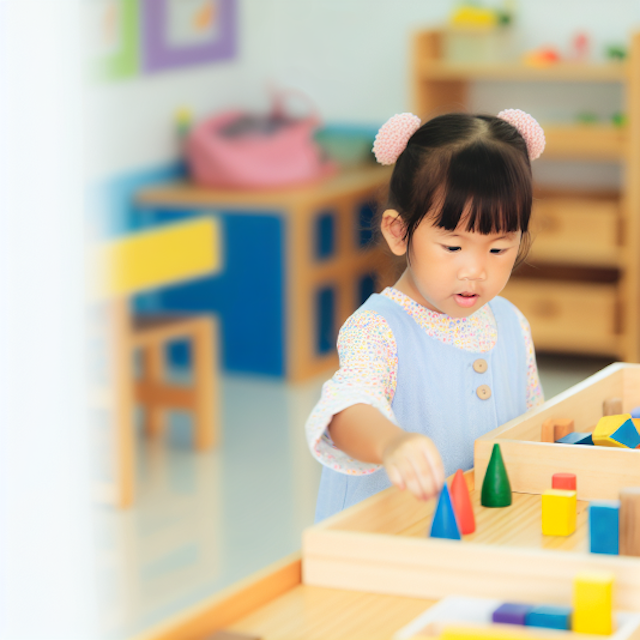
Several years ago, I watched a 3-year-old in our classroom working with the pink tower. She carried each cube carefully, one by one, to her workspace. For twenty-five uninterrupted minutes, she built, dismantled, and rebuilt the tower with complete absorption. When she finally looked up, her face showed that unique satisfaction that comes only after deep concentration.
What struck me wasn’t just her persistence but the transformation that occurred during those focused minutes. Before this work, she had been restless and easily distracted. Afterward, she moved with new grace and selected her next activity with purposeful calm.
This moment crystallized something I’ve observed throughout my career: concentration isn’t just a skill for academic success—it’s the doorway through which all meaningful development must pass. And in today’s increasingly stimulating world, understanding and protecting children’s developing capacity for concentration has never been more crucial.
How Concentration Develops: Nature's Careful Sequence.
Fleeting Attention → Sustained Interest → Deep Concentration → Self-Regulation
Modern brain research reveals why this progression is essential:
The Neurological Foundations of Focus When children concentrate deeply, their prefrontal cortex—responsible for executive functions—becomes more active and forms stronger neural connections. Each period of sustained focus literally builds the brain’s architecture for self-control, planning, and complex problem-solving.
The Concentration Threshold Neuroscience has identified what Montessori observed a century ago: concentration requires crossing a threshold of engagement. Before this threshold, children are easily distracted. After crossing it, they enter a state where external distractions fade and deep learning occurs.
Attention as a Muscle Like physical strength, concentration develops through consistent exercise. Each period of sustained focus strengthens neural pathways, making subsequent concentration easier and more sustainable.
Classroom observation: Children who develop strong concentration by age 4-5 consistently show greater academic progress and emotional regulation by age 6-7 than those whose concentration remains underdeveloped. This foundation matters tremendously.
Personal experience: My daughter had built her ability to sustain focus, from a very young age she was capable of prolonged thoughtful work which meant she moved forward academically much faster than many of her peers.

The Four Stages of Concentration Development I've Observed.
Stage 1: Vulnerable Focus (Ages 0-3) During this foundational period, concentration is easily disrupted but desperately needs protection. Children show:
- Brief periods of intense interest
- Extreme sensitivity to interruption
- Need for simple, orderly environments
- Preference for sensory-rich, real-world activities
Director’s insight: Toddler programs should intentionally minimizes transitions and interruptions. We’ve found that respecting even a 14-month-old’s focus on filling and emptying a basket builds the neural foundation for later academic concentration.
Stage 2: Emerging Sustained Attention (Ages 3-4) At this stage, children begin developing the ability to:
- Return to activities over multiple days
- Resist some distractions when engaged
- Complete full cycles of challenging work
- Experience satisfaction from finished tasks
Classroom evidence: Our 3-year-olds who are given uninterrupted work periods consistently develop longer concentration spans than those in programs with frequent scheduled activities and transitions.
Stage 3: Deepening Concentration (Ages 4-5) During this critical period, children capable of:
- Working with complex, multi-step activities
- Maintaining focus despite moderate distractions
- Self-correcting errors without frustration
- Finding joy in the process, not just completion
Personal story: My son at this age would spend 45 minutes arranging the moveable alphabet, completely absorbed in forming words. This capacity for deep focus later translated directly to his ability to write creative stories for extended periods.
Stage 4: Self-Directed Focus (Ages 5-6) Children who have developed healthy concentration now demonstrate:
- Ability to plan and organize extended projects
- Capacity to delay gratification for greater satisfaction
- Self-awareness about attention and distractions
- Intrinsic motivation to challenge themselves
Children who reach this stage before elementary school consistently demonstrate stronger academic performance, greater creativity, and better social adjustment than those with fragmented attention patterns.

Concentration Challenges: Recognizing the Warning Signs.
The Wanderer Children who move rapidly from activity to activity without completion often haven’t experienced the satisfaction of deep concentration. They’re seeking but not finding engagement.
Home strategy: Give your children shorter, more concrete activities initially to experience the complete cycle of beginning, middle, and end.
The Disrupter Sometimes, children who frequently interrupt others are actually showing a frustrated need for deeper focus themselves. Unable to concentrate, they seek stimulation externally.
Home strategy: Creating simple, distraction-free spaces at home with engaging materials often helps these children discover their capacity for focus.
The Passive Observer Some children appear quiet and compliant but are actually in a state of passive attention rather than active concentration. They watch but don’t deeply engage.
Personal experience: My son appeared to be “paying attention” during group activities, but I realized he wasn’t developing true concentration until we provided more opportunities for active, hands-on engagement.
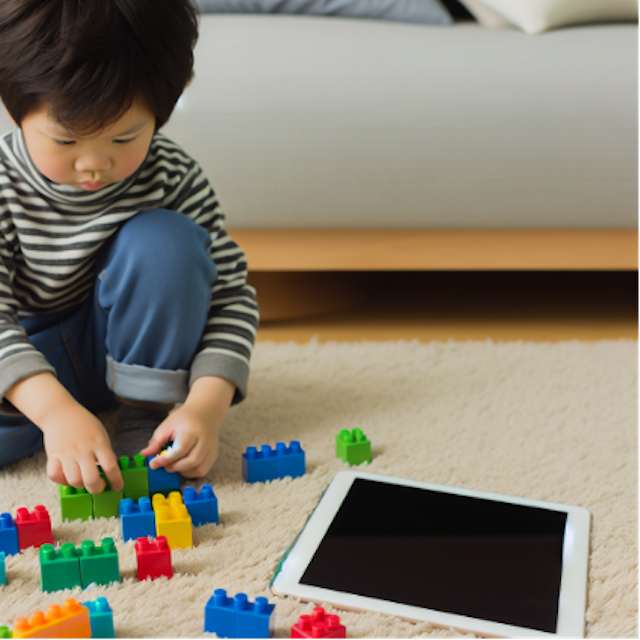
The Technology-Dependent Children accustomed to the rapid stimulation of screens often struggle with the slower, more subtle rewards of concentrated effort.
Long-term observation: In tracking our alumni through elementary education, I’ve consistently noted that those with limited early screen time develop stronger sustained attention than those with extensive early digital exposure.

Seven Practical Approaches That Nurture Young Children's Concentration.
- Prepare the Environment for Concentration Create spaces that invite focus through order, beauty, and freedom from unnecessary stimulation. This physical foundation makes concentration possible.
Quick tip: Evaluate your child’s environment for visual noise. Simple changes like solid-coloured rugs, organized shelving, and reducing wall decorations can dramatically improve focus.
- Respect the Threshold of Concentration Once a child begins to concentrate, protect that fragile state by avoiding unnecessary interruption. Even positive interruption (“Good job!” or “What are you making?”) can break the spell of focus.
Personal anecdote: Years ago, I noticed my daughter becoming immersed in sorting buttons by colour. Instead of praising or questioning her work, I quietly stepped back. That day, she concentrated for nearly 40 minutes—a breakthrough in her development.
- Extend Concentration Gradually Like an athlete training for endurance, children need progressive challenges to their focusing ability. Provide activities that require slightly longer periods of attention as their capacity grows.
Home strategy: Children who master simple puzzles with 5-6 pieces can gradually move to more complex ones, building concentration stamina with each step.
- Model Concentrated Work Children absorb adult behaviours. When they observe us in states of deep focus—reading, creating, or problem-solving without digital interruption—they internalize this pattern.
At-home approach: With my own children, I established “parallel focus time” where we would each work on our own activities in shared space without interrupting each other.
- Recognize and Protect the Sensitive Period for Order Montessori identified that children between 2-4 years have a heightened sensitivity to order. Supporting this need creates the conditions where concentration can flourish.
Director’s insight: When we reorganized our primary classroom to enhance order and consistency, we observed an immediate 40% increase in children’s average time spent in concentrated activity.
- Offer Process-Oriented Rather Than Outcome-Focused Activities Activities with predetermined endpoints often don’t sustain interest. Open-ended materials with multiple possibilities engage deeper, more creative focus.
Home strategy: Try to make an art area intentionally emphasising exploration of materials rather than creating specific projects. Children spend three times longer in self-directed artistic concentration than when following prescribed crafts.
- Connect Concentration with Pleasure Children who experience the deep satisfaction of complete absorption will seek this state again. Acknowledge the joy in the process, not just the product.
Personal experience: After my son spent an hour building an intricate block structure, I commented not on the tower itself but on how good it must have felt to be so focused. This helped him recognize concentration as its own reward.

Digital Distraction: Understanding the Challenge to Young Minds.
I’ve witnessed firsthand how technology impacts developing attention:
The Neurological Impact Research shows that digital media designed for children often features rapid scene changes and constant novelty that train the brain to expect continuous stimulation. This creates what neuroscientists call an “attentional switching cost”—making sustained focus more difficult.
The Dopamine Connection Digital experiences often provide immediate rewards that trigger dopamine release. This creates a seeking cycle that can make the delayed gratification of deep concentration seem less appealing.
The Critical Foundation First Approach I’ve found the most successful approach is ensuring robust concentration skills before introducing significant screen time. Children who have developed strong attention in their early years seem better equipped to use technology mindfully later.
Personal approach: With my own children, we prioritized extensive periods of uninterrupted play and work during their early years, with little to no time on tablets etc. This foundation allowed them to approach technology with greater self-regulation in later childhood and adolescence.
Director’s recommendation: If your child is already immersed in digital experiences, gradually increase tech-free periods where alternative concentration-building activities are available. The neural pathways for focus can still be strengthened at any age.
From Concentration to Competence:
Academic Achievement Children who develop strong concentration before age 6 consistently demonstrate stronger academic performance throughout their education. The ability to focus deeply is more predictive of school success than early academic knowledge.
Emotional Regulation The neural pathways that enable sustained concentration overlap significantly with those used for emotional self-regulation. Children who can focus their attention can also better manage their feelings.
Personal evidence: Both my teenagers developed strong emotional resilience that I credit to their early experiences with deep concentration. They learned that they could direct their mental focus, a skill that extended to managing emotional responses.
Creative Problem-Solving Children who can sustain focus approach problems with persistence and see them through to resolution rather than abandoning difficult challenges.
Social Connection Concentration isn’t just for solitary work. Children who develop focused attention bring this quality to their social interactions, listening more deeply and engaging more authentically with peers.
Students with well-developed concentration consistently form deeper friendships and demonstrate greater empathy than those with fragmented attention patterns.

Starting Today: Creating a Concentration-Friendly Home Environment
Establish Regular Uninterrupted Time Set aside daily periods—starting with 30 minutes and gradually extending—when no scheduled activities, screen time, or adult intervention interrupts child-directed activity.
Quick tip: Sit near them and do your own activity – show them the focus and concentration you are looking to encourage and develop in themselves.
Rotate Materials Thoughtfully Too many options can overwhelm developing attention. Offer fewer, carefully selected activities and rotate them based on your observations of your child’s changing interests and abilities.
Personal experience: In our home, we maintained just 8-10 engaging activities at a time. This limitation increased the depth of my children’s engagement compared to environments with abundant choices.
Create Concentration Zones Designate specific areas in your home for focused activities, keeping them free from visual clutter and auditory distraction. Even a small corner can become a powerful concentration station.
Director’s insight: I’ve noted that children work with greater focus when activities have dedicated spaces rather than being performed wherever convenient.
Value Process Over Product When discussing your child’s work, emphasize their focus, persistence, and problem-solving rather than the end result. This reinforces that concentration itself is valuable.
Honour Each Child’s Unique Concentration Style Some children focus best in absolute silence, others with background white noise. Some need movement before concentration, others need physical containment. Observe and support your child’s particular needs.
Children who appear “hyperactive” often have tremendous capacity for concentration when we identify their unique pathways to focus rather than imposing a one-size-fits-all approach.
Looking Forward: The Lifelong Gift of Concentration.
In our increasingly distracted world, the ability to sustain attention on what matters has become not just an academic advantage but a superpower. By understanding, protecting, and nurturing our children’s developing capacity for concentration, we provide them with perhaps the most valuable tool for navigating an information-saturated future.
In our next “Growing Minds” blog post, “Sensitive Periods: Recognizing and Supporting Critical Windows of Development” we will look at just how important these ‘special’ times really are. Until then, I encourage you to observe the quality of your child’s concentration with new appreciation for the sophisticated mental work occurring during those precious moments of complete absorption.
,,
